


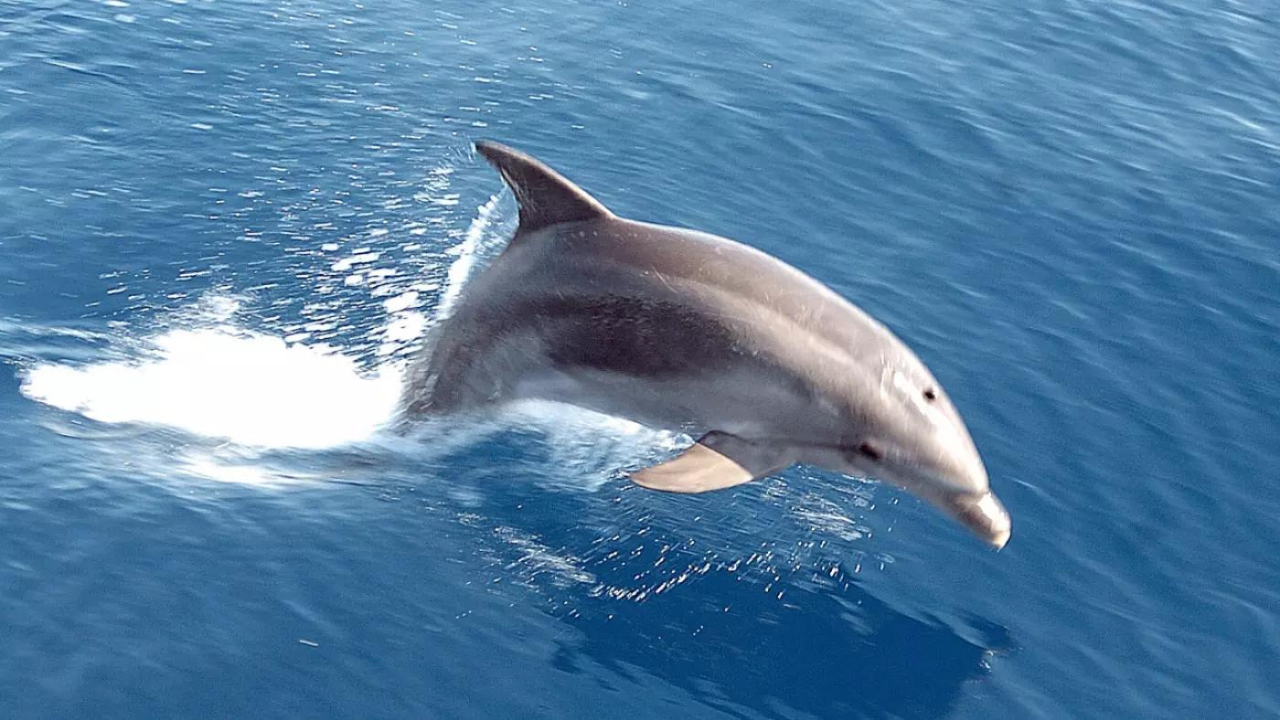
A single and perhaps sexually frustrated dolphin has been accused of a string of attacks on swimmers in the coastal town of Mihama, Japan, prompting authorities to be on high alert. According to BBC reports, the bottlenose dolphin is suspected of being behind 18 attacks this year, with one child needing 20 stitches after a particularly severe bite.
Last year, six people were injured in similar incidents, including one swimmer who suffered broken ribs. Despite dolphins’ friendly reputation, the recent surge in attacks has officials warning that these marine mammals can pose a threat. Authorities stated, “They can bite you with their sharp teeth and cause you to bleed, or drag you into the sea, which could be life-threatening.”
Dolphin attacks are uncommon but can be fatal. In 1994, a dolphin in Brazil named Tião killed one swimmer and injured another when they attempted to ride it. Experts suggest that the dolphin had previously harmed at least 22 people.
The dolphin involved in the recent incidents in Japan was identified by its distinct dorsal fin, which has notches and pigmentation resembling a fingerprint. Tadamichi Morisaka, a cetology professor at Japan’s Mie University, mentioned that the same dolphin was sighted last year off the coast of Fukui Province. “It is logical to assume that it is the same individual, given the similar wounds on the tail fin as those seen last year,” Prof. Morisaka explained that dolphins, which usually travel in groups, rarely stay solitary for extended periods.
Morrisaka elaborated that male bottlenose dolphins often engage in “play-biting”, indicating that the animal may not have malicious intentions towards humans but is utilizing its natural behavior to interact. However, other experts believe that sexual frustration or defensive behavior could be motives behind the attacks.
Dr. Simon Allen, a biologist with the Shark Bay Dolphin Research Project, proposed that hormonal changes or social isolation might be causing the dolphin to act aggressively. “Given their strength, this could result in serious injuries to humans,” he added.
Dr. Matthias Hoffmann-Kuhnt, a marine mammal expert, suggested that the dolphin may be acting in self-defense when humans get too close or try to interact inappropriately. He also implied that the dolphin may have had a negative encounter with a human in the past, leading to its aggressive response. “They have good memory, much like elephants, who remember those who mistreated them before,” he noted.


