


Storm Unleashes Pounding Rains in Northern Philippines
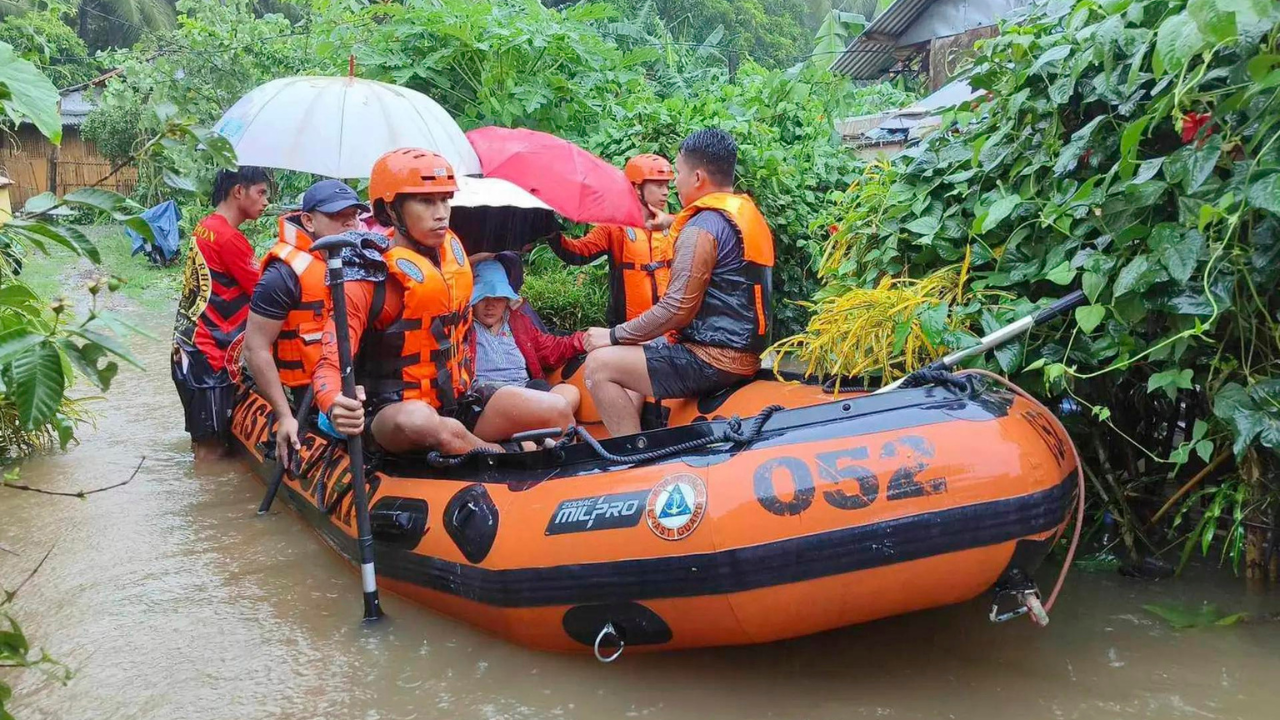
MANILA: A storm unleashed pounding rains that flooded many northern Philippine areas overnight into Monday, prompting authorities to suspend classes and government work in the capital region and warn thousands of residents to prepare to evacuate from flood-prone villages along a key river.
Tropical Storm Yagi, locally known as Enteng, was blowing 115 kilometers northeast of Infanta town in Quezon province, southeast of Manila, on Monday with sustained winds of up to 75 kilometers per hour and gusts of up to 90 kph, according to the weather bureau.
The storm was moving northwestward near the eastern coast of the main northern region of Luzon, where the weather bureau warned of possible flash floods and landslides in mountainous provinces.
Two residents died amid the stormy weather in Naga city in eastern Camarines Sur province, where floodwaters swamped several communities, police said. Authorities were verifying if the deaths, including one caused by electrocution, were weather-related.
Storm warnings were raised in a large swath of Luzon, including in metropolitan Manila, where schools at all levels and most government work were suspended due to the stormy weather.
Sea travel was temporarily halted in several ports affected by the storm, stranding about 2,200 ferry passengers and cargo workers. Additionally, several dozen domestic flights were suspended due to the stormy weather.
Downpours have also caused water to rise to near-spilling level in Ipo dam in Bulacan province, north of Manila, prompting authorities to schedule a release of a minimal amount of water later Monday that they say would not endanger villages downstream.
About 20 typhoons and storms batter the Philippines each year. The archipelago lies in the “Pacific Ring of Fire,” a region where many volcanic eruptions and earthquakes occur, making the Southeast Asian nation one of the world’s most disaster-prone.
In 2013, Typhoon Haiyan, one of the strongest recorded tropical cyclones in the world, left more than 7,300 people dead or missing, flattened entire villages, swept ships inland, and displaced more than 5 million people in the central Philippines.


