


The Devastation of Hurricane Beryl in the Southeastern Caribbean
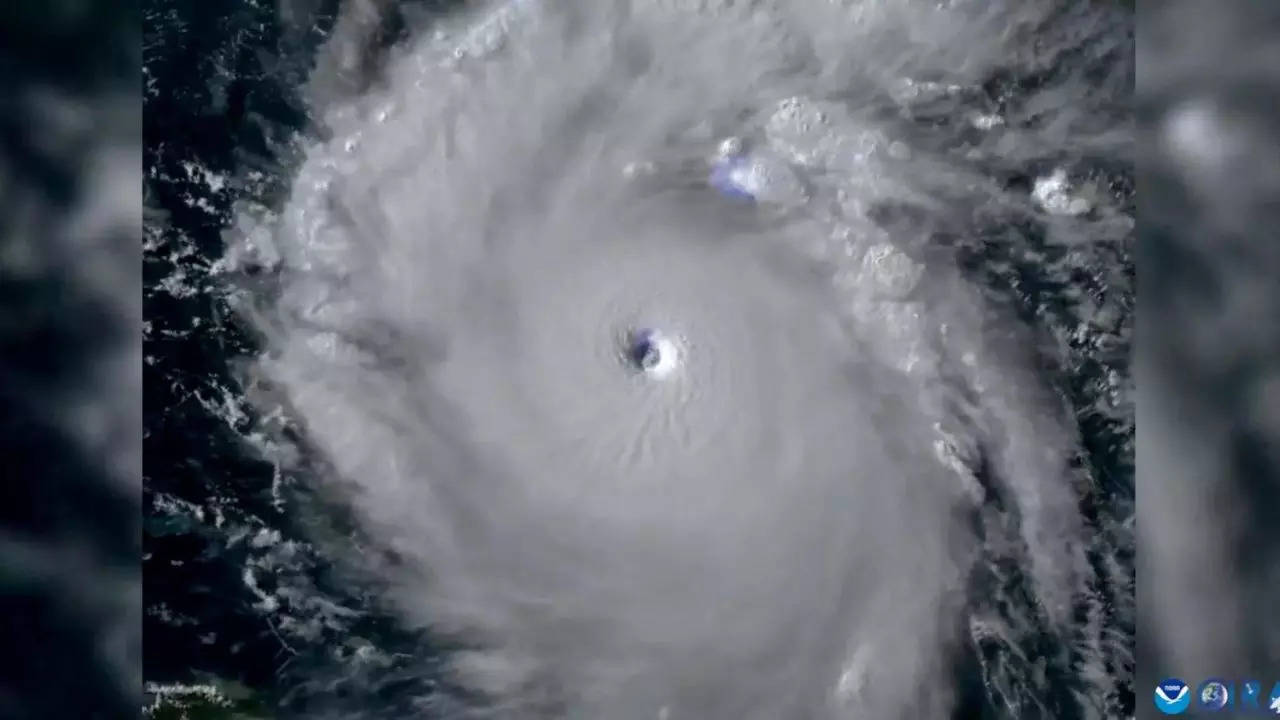
BRIDGETOWN: Hurricane Beryl wreaked havoc across the southeastern Caribbean on Monday, causing widespread destruction in its path. Making landfall on the island of Carriacou, Beryl became the earliest storm of Category 4 strength to form in the Atlantic, fueled by record warm waters.
Despite the ferocious winds of up to 150 mph (240 kph), just shy of a Category 5 storm, there have been no immediate reports of deaths or injuries. The aftermath of Beryl’s wrath left streets from St. Lucia to Grenada littered with debris, trees, and downed power lines.
The impact of Beryl was devastating, with banana trees snapped in half, homes made of tin and plywood tilting precariously, and even cows killed in green pastures. Vichelle Clark King, whose shop in Bridgetown was filled with sand and water, expressed heartbreak over the damage caused by the storm.
As Beryl continued its path through the southeast Caribbean, its winds increased to 155 mph (250 kph), on the verge of reaching Category 5 status. The storm was moving west-northwest, with Jamaica and Mexico’s Yucatan peninsula potentially in its trajectory.
Government officials issued warnings for Jamaica and Hispaniola, as Beryl posed a significant threat to the region. The National Hurricane Center emphasized the dangerous nature of the storm as it progressed through the eastern Caribbean.
Historically, Hurricane Beryl’s rapid intensification from a tropical depression to a major hurricane in just 42 hours was a rare occurrence in Atlantic hurricane history. The storm’s formation in June, the record warm waters, and its eastward trajectory set it apart from previous hurricanes.
While the destruction caused by Beryl is significant, it serves as a reminder of the unpredictable nature of hurricanes and the importance of preparedness in vulnerable regions. As the Atlantic hurricane season progresses, vigilance and readiness are paramount to safeguarding lives and property.


