


The Urgent Climate Crisis Facing Pacific Island Nations
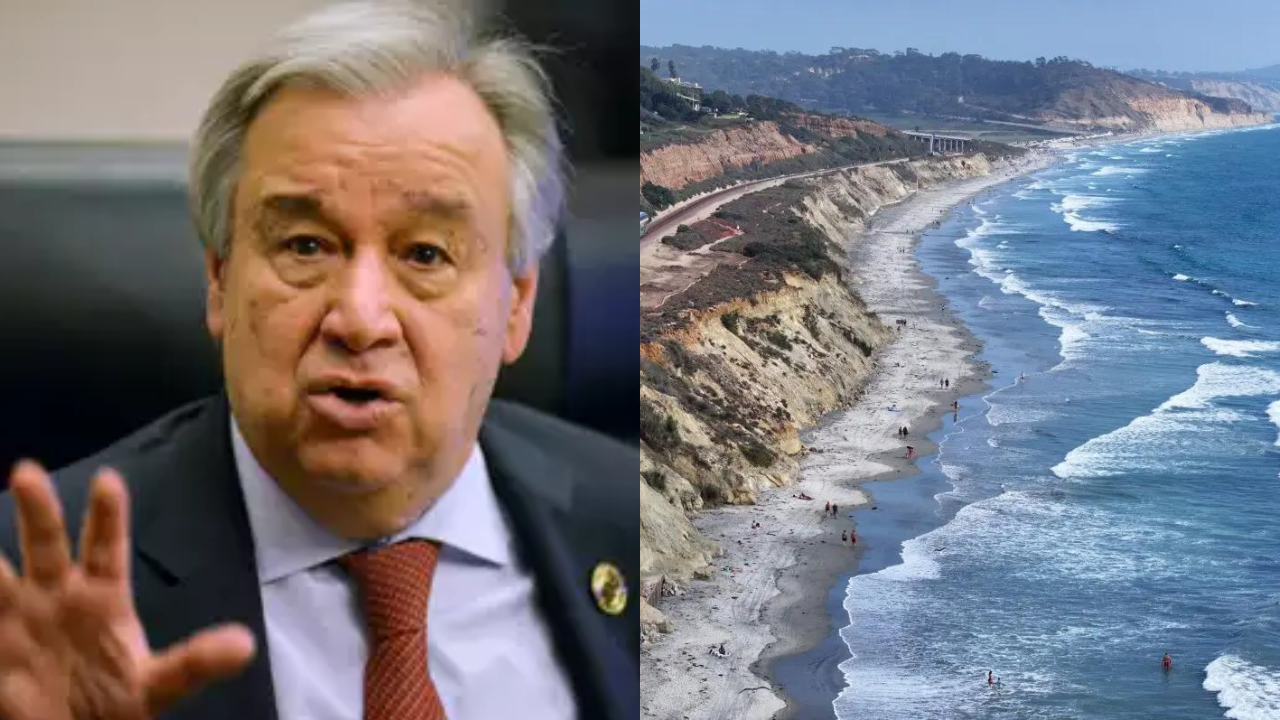
During the recent Pacific Islands Forum, UN Secretary-General António Guterres delivered a stark warning about the dire situation facing Pacific island nations. According to the World Meteorological Organisation (WMO), sea-surface temperatures in the south-west Pacific have risen three times faster than the global average since 1980.
Guterres emphasized the grave danger posed by rising sea levels to these vulnerable nations and called for immediate global action to address this urgent crisis. He described it as a situation that is rapidly spiraling out of control, with potentially catastrophic consequences for both the Pacific islands and the world at large.
Recent reports have highlighted the urgent threats posed by the climate crisis and rising sea levels to Pacific island states. The Intergovernmental Panel on Climate Change (IPCC) warns that future sea-level rise could be even more severe than previously projected, with human-caused warming resulting in unprecedented global sea-level rise.
Rufino Varea, regional director of the Pacific Islands Climate Action Network, pointed out that Pacific communities are disproportionately affected by the climate crisis despite being the least responsible for it. Michelle Higelin, executive director of ActionAid Australia, highlighted the detrimental impact of the climate crisis on debt levels and gender inequality in Pacific countries.
Guterres underscored the extreme vulnerability of Pacific islands, where infrastructure and populations are concentrated near the coast. He cautioned that a 3°C rise in global temperatures could lead to significant additional sea-level rise and frequent coastal flooding in the coming decades.
He urged the global community to take decisive action to reduce emissions and transition away from fossil fuels as quickly as possible. Guterres also called for increased financial support for vulnerable countries to help them address the impacts of rising sea levels.
While Australia has committed to providing $3 billion for climate finance until 2025, this falls short of the country’s share of the $100 billion annual global climate finance goal. Ahead of the COP29 summit in Azerbaijan this November, organizations like ActionAid Australia and Oxfam Australia are urging Australia to endorse a new $1 trillion global climate finance target.
The urgency of the climate crisis facing Pacific island nations cannot be overstated. Immediate action is needed to mitigate the impact of rising sea levels and protect the lives and livelihoods of those most at risk. As the world grapples with the escalating consequences of climate change, solidarity and decisive action are essential to safeguard our shared future.


