


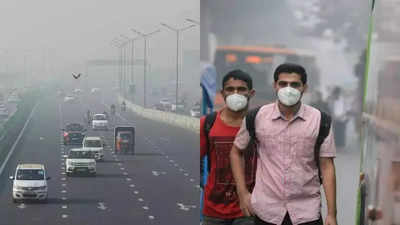
Understanding the Impact of PM2.5 Pollution on Health in Indian Cities
New Delhi: A recent study published in The Lancet Planetary Health journal reveals alarming statistics about PM2.5 pollution in major Indian cities. On average, 7.2% of daily deaths in 10 highly polluted cities, including Delhi, Bengaluru, and Mumbai, were linked to elevated PM2.5 levels exceeding WHO guidelines.
The study emphasizes the critical health impact and high mortality rates associated with air pollution in Indian urban areas. Immediate action is needed to address the alarming pollution levels and safeguard public health.
Key Findings:
- Delhi had the largest fraction of daily and yearly deaths attributable to PM2.5 pollution
- Vehicular and industrial emissions are major sources of PM2.5 pollution
- An increase of 10 micrograms per cubic meter in PM2.5 pollution correlated with a 1.4% higher daily mortality
- Short-term exposure to PM2.5 pollution posed a significant health risk
City-wise Analysis:
In Delhi, there was a 0.31% rise in daily mortality per 10 micrograms per cubic meter increase in PM2.5 pollution. Bengaluru witnessed a higher rise of 3.06% in daily mortality under similar conditions.
Recommendations:
The research highlights the urgent need for stringent measures to curb air pollution in Indian cities. Addressing locally generated pollutants can significantly reduce the burden of PM2.5-related deaths and improve public health.
This study serves as a wake-up call for policymakers and environmental authorities to prioritize clean air initiatives and protect the well-being of residents in urban areas.
Stay tuned for more updates on air quality and environmental health!


