


The Tea Crisis in North India: A Looming Catastrophe
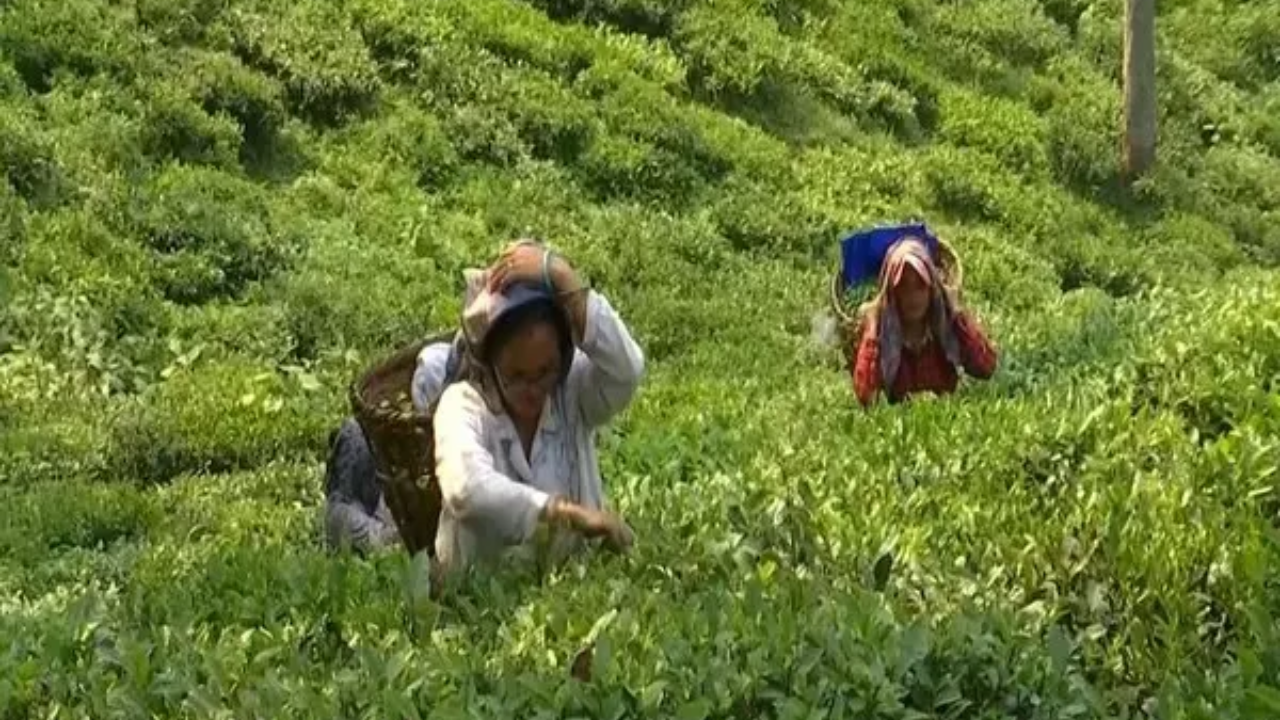
As the scorching heat and lack of rainfall continue to ravage the tea-producing regions of North India, the Tea Association of India has issued a dire warning about the plummeting tea production in the area. The relentless drought and high temperatures have severely impacted the current cropping season, leading to a projected 60 million-kilogram decrease in tea production by June 2024 compared to the previous year.
The repercussions of this crisis extend beyond just reduced tea yields and profits. The industry is facing a severe liquidity crisis, jeopardizing its future sustainability. The latest data from the Tea Board of India paints a grim picture for key tea-growing states like Assam and West Bengal.
Production in Assam has dropped by 8% up to April 2024, while West Bengal has experienced an even larger decline of 13% during the same period. The situation worsened in May, with estimated production decreases of 20% in Assam and a staggering 40% in West Bengal compared to the previous year.
The primary culprit behind this decline is the acute shortage of rainfall during the crucial early growing season. The India Meteorological Department reports a significant rainfall deficit in West Bengal and Assam, ranging from 10% to 80% below historical norms for the months of March to May.
Tea, being a rain-fed crop, relies heavily on adequate precipitation for its growth and yield. The lack of rainfall has resulted in wilting tea bushes, reducing both immediate production and long-term plant health. The prize first and second flushes, which contribute significantly to annual revenue, have been hit hard by the water crisis.
Despite the arrival of the southwest monsoon, the heavy rainfall in late May has led to waterlogging and reduced photosynthesis in the tea fields, further hindering production. The excessive precipitation and lack of sunshine have exacerbated the already dire production conditions in the region.
The future of the tea industry in North India hangs in the balance as it grapples with the dual challenges of diminishing production and financial instability. Urgent measures are needed to mitigate the impact of this crisis and ensure the survival of this vital sector.


