


A Glimpse into the Unpredictable Nature of Hurricanes
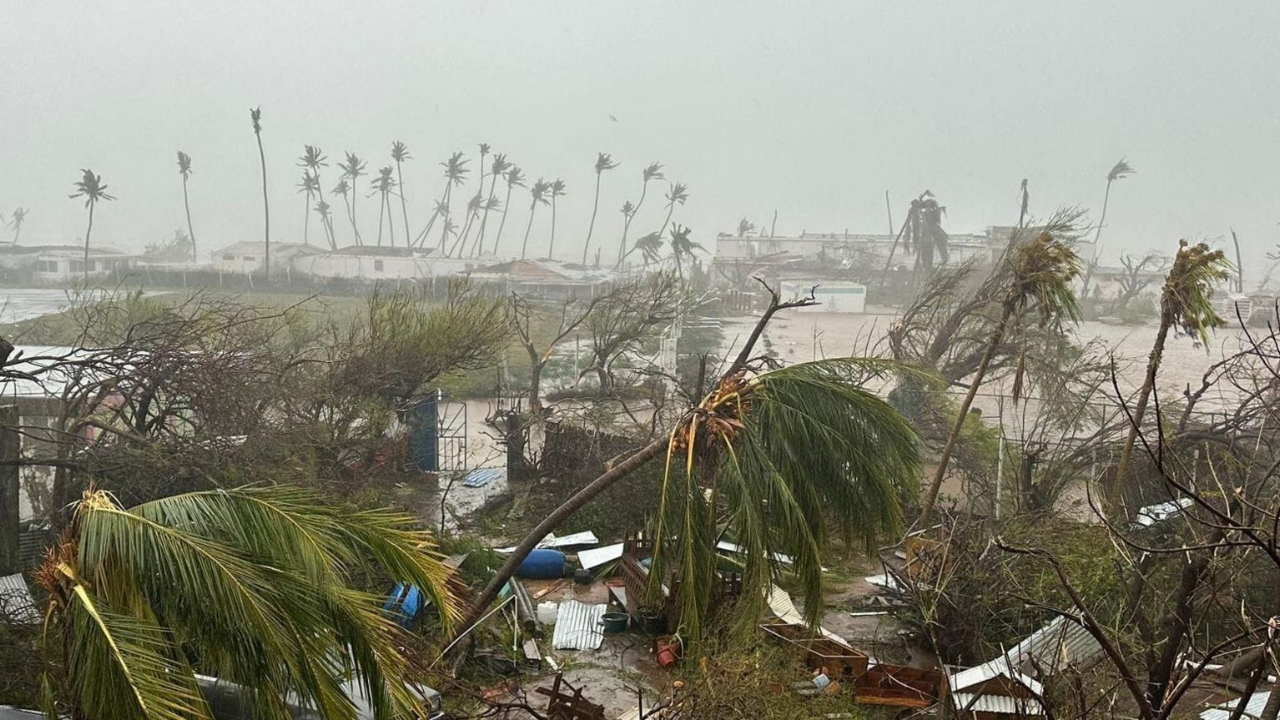
When Hurricane Beryl made landfall in the Grenadine Islands on July 1, the devastation caused by its 150-mph winds and powerful storm surge marked it as the earliest category 5 storm in the tropical Atlantic’s history. The chaotic nature of this event left scientists stunned, especially with Beryl’s rapid intensification from a mere tropical storm to a major hurricane within just 24 hours.
“Beryl’s unusual strength and swift progression are indicative of the changing climate patterns we are observing,” explains Brian Tang, an atmospheric science professor at the University of Albany, State University of New York. As the Earth’s temperature rises due to escalating fossil fuel emissions, the likelihood of more extreme weather occurrences, like Beryl, becomes increasingly evident.
The surge in hurricane activity in 2024 was predicted well in advance, but the speed at which Beryl escalated caught many off guard. The warm waters, which serve as fuel for hurricanes, were found to be anomalously high, with the ocean’s heat content nearing its peak for September at the start of summer.
Looking ahead, experts forecast a bumper hurricane season, with the possibility of 17 to 25 named storms, eight to 13 hurricanes, and four to seven major hurricanes by the end of November. The emergence of La Nina, a climate pattern shift in the Pacific, could create a more favorable environment for hurricanes to form and persist throughout the season.
Contrary to popular belief, climate change does not necessarily translate to a higher frequency of hurricanes. Instead, the focus shifts to the intensity and impact of the storms. Major hurricanes like Beryl are expected to become more common, aided by warming oceans and evolving atmospheric conditions.
Recent catastrophic events, such as the trio of hurricanes – Harvey, Irma, and Maria – that affected the Atlantic in 2017, highlight the growing threat of increasingly severe storm clusters. These weather phenomena pose a significant challenge to vulnerable regions, especially smaller island nations that bear the brunt of devastation.
One such nation, Dominica, faced the wrath of Hurricane Maria in 2017, causing unparalleled damage and economic loss. The island’s struggle to rebuild and adapt to a changing climate landscape underscores the complexities of climate colonialism and historical injustices that continue to shape the present.
As the world grapples with the ongoing climate crisis, the urgent call for climate reparations from wealthier nations to those most impacted is becoming louder. The need to address the systemic injustices and vulnerabilities exposed by extreme weather events like hurricanes serves as a critical reminder of the collective responsibility to mitigate and adapt to a rapidly changing environment.


