


The Confusion of Climate Change: Why Is it Cold in the Midst of Global Warming?
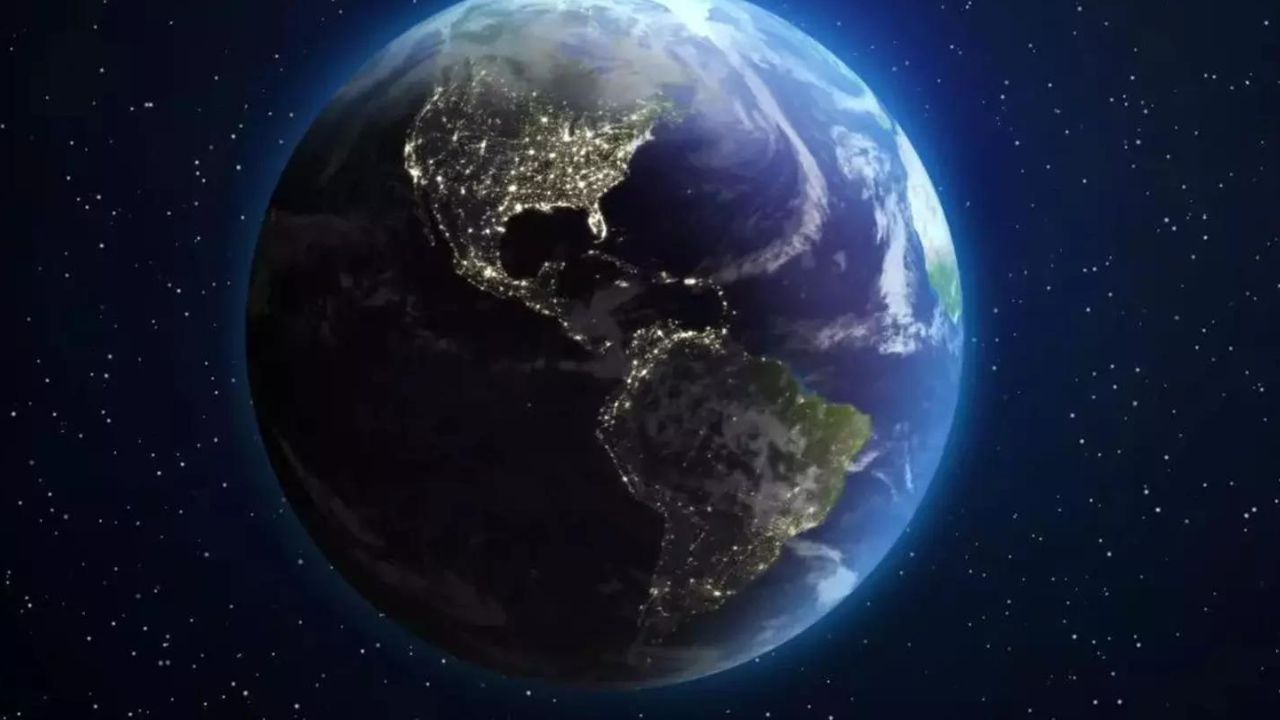
As the Earth continues to experience the effects of climate change, it can be confusing to understand why certain regions may still be experiencing cold weather despite the overall warming trend. While fossil fuels have contributed to a 1.5°C increase in global temperature, some areas may still feel cooler than expected, leading to skepticism about the reality of climate change.
Matthew Patterson, an atmospheric physicist at the University of Reading, explains that the perceived cold weather in the UK is not necessarily abnormal. Measurements show that temperatures, sunlight, and rainfall in June 2024 were close to seasonal averages. However, due to the rapid warming of the climate, what was once considered average now feels colder than before.
Europe, including the UK, has warmed at a faster rate than the global average since the 1970s, with extreme temperatures rising even more rapidly. This phenomenon, known as shifting baseline syndrome, makes it difficult for people to remember how the climate felt in the past, leading to a normalization of extreme heat and a perception of cold as unusual.
Despite localized cold snaps, countries like Australia are still experiencing overall warming trends. Andrew King, a climate scientist at the University of Queensland, notes that while cold records can still be broken locally, the long-term trend indicates a decrease in frosty nights and chilly days over the decades.
As the world surpasses the 1.5°C threshold for the average global temperature, experts like Matthew Barlow and Jeffrey Basara from UMass Lowell warn of the dangers of continued warming. The Paris climate agreement aims to limit global warming to 1.5°C over a 30-year period, but projections show that this threshold may be reached within the next decade.
While some regions may still experience unremarkable or terrifying weather patterns, the global trend towards hotter temperatures is undeniable. It’s crucial to look beyond local fluctuations and track the overall average to understand the true impact of climate change.
As we navigate the complexities of a changing climate, staying informed and proactive in addressing the challenges ahead is essential. The future of our planet depends on our collective efforts to mitigate the effects of climate change and protect the environment for generations to come.


