


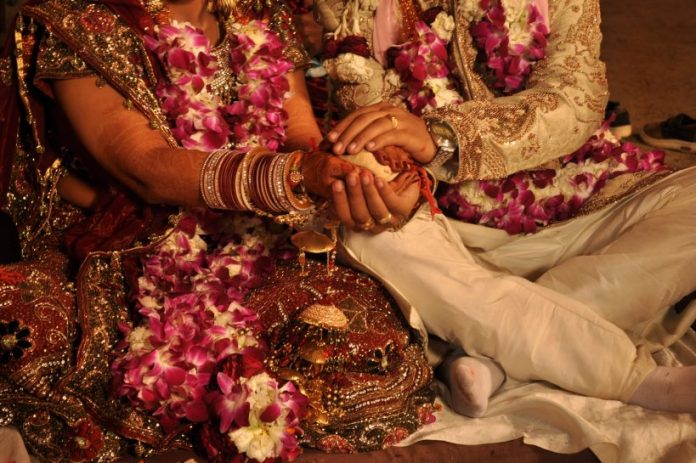
This article was written by Vishesh Gupta and further updated by
Monesh Mehndiratta. The present article explains different forms of Hindu marriage and the types of marriage currently existing in society. It also explores the nature of Hindu marriage and the changes brought about by the codification of law on Hindu marriage.
Introduction
Have you ever wondered about the various forms of Hindu marriages that exist in society? Polygamy, bigamy, monogamy, and other terms have become prevalent in today’s conversations. However, did you know that the Hindu religion also encompasses different forms of marriage? In the past, various forms of Hindu marriage were practiced and accepted, but today, monogamy is the primary form of marriage followed by Hindus in India.
The enactment of the Hindu Marriage Act, 1955, brought significant changes to the nature of Hindu marriage. This article delves into the different forms of Hindu marriage, the shift following the enactment of the Act, and the essence of Hindu marriage.

Nature of Hindu Marriage
Marriage has been an integral part of society since ancient times, playing a crucial role in social life. In Hinduism, marriage is considered a sacred bond between two individuals, symbolizing duty and continuation of the family lineage. Every man in Hinduism is required to fulfill certain obligations, including debts to father, God, and sages. Marriage facilitates the fulfillment of these duties and is considered a religious sacrament.


