


Rare and Deadly Equine Virus Detected in Hudson Valley
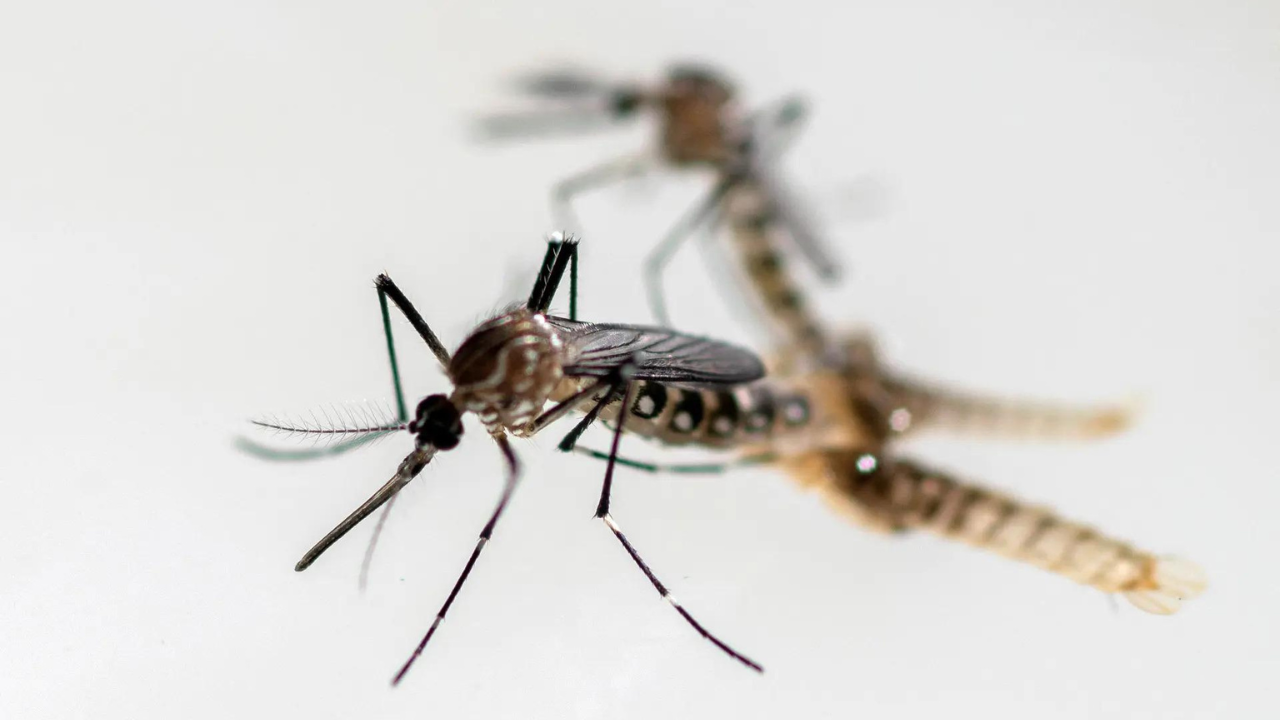
A rare and deadly equine virus, Eastern Equine Encephalitis (EEE), has emerged in the Hudson Valley and surrounding states, posing a significant health risk to both horses and humans. The virus, transmitted through the bite of infected mosquitoes, has already claimed its first victims—a horse in Orange County, New York, and an elderly man in Massachusetts.
Health officials are on high alert as the mortality rate of EEE in humans stands at a staggering 30%. In response to the growing threat, several towns in Massachusetts, including Douglas, Oxford, Sutton, and Webster, have taken proactive measures to combat the spread of this potentially fatal disease.
The Oxford Board of Health recently voted to implement a voluntary evening lockdown, urging residents to stay indoors after 6:00 pm until September 30. As the risk of mosquito bites decreases with the onset of colder weather, the advisory will shift to recommend staying indoors after 5:00 pm until the first hard frost of the season.
Health officials emphasize the importance of avoiding outdoor activities during peak mosquito hours, from dusk through dawn, as the risk of contracting EEE is highest during this time. The four towns affected have been designated as “critical-risk” areas.
Understanding EEE
Eastern Equine Encephalitis is not your average mosquito-borne illness. The US Centers for Disease Control and Prevention (CDC) classifies EEE as a “rare but serious disease,” with devastating consequences for those infected. While cases of EEE are rare in the US, the impact of the virus is severe, as there are currently no vaccines or specific treatments available.
Both humans and animals infected with EEE are considered “dead-end hosts,” unable to transmit the virus to mosquitoes, which helps prevent further spread of the disease.
https://timesofindia.indiatimes.com/world/us/rare-virus-with-30-mortality-detected-in-hudson-valley-four-us-towns-implement-voluntary-lockdown/articleshow/112770580.cms


