


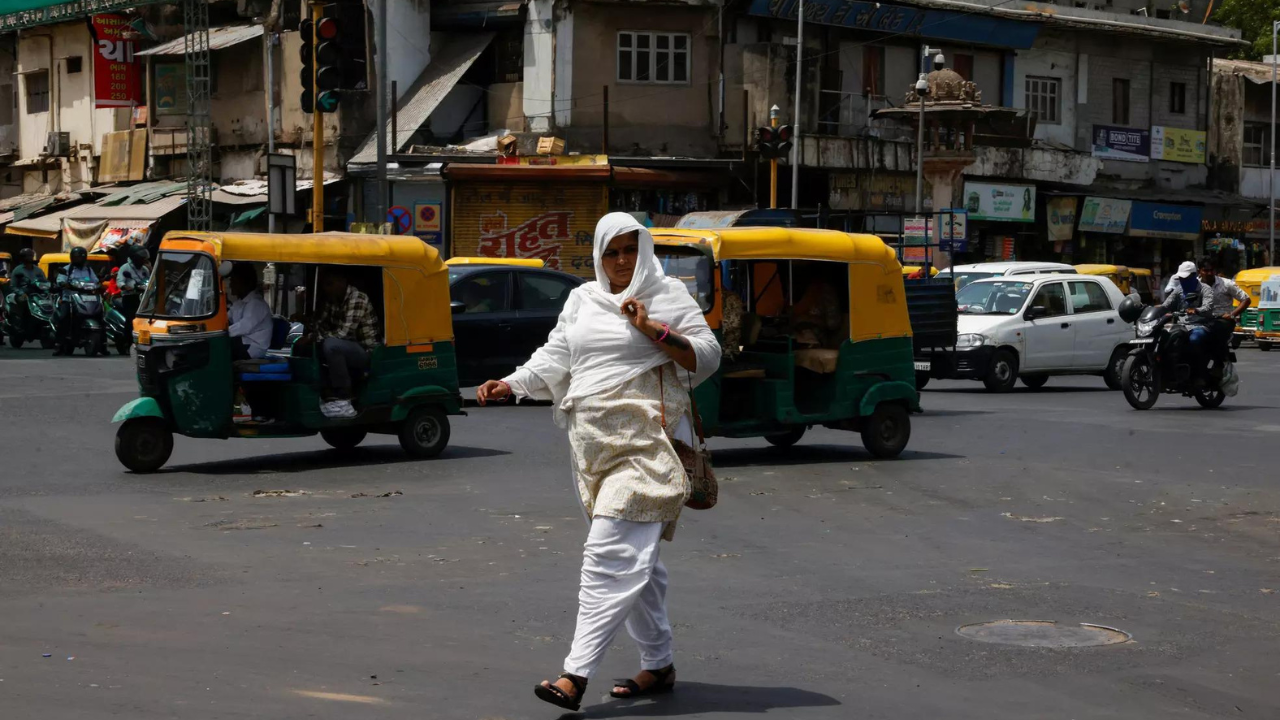
The scorching heat in India has not only been difficult for humans but also for wildlife. The health ministry has reported over 40,000 suspected cases of heatstroke and at least 110 confirmed deaths between March 1 and June 18. This summer, India has been experiencing extreme weather conditions with a prolonged heatwave affecting many parts of the country and heavy rainfall causing floods in the northeast.
The heatwave, which is believed to be exacerbated by human-induced climate change, has pushed temperatures to nearly 50 degrees Celsius in northern India, marking one of the lengthiest heatwaves on record. The intensity of the heat has caused birds to drop from the sky, with hospitals witnessing an influx of heat-affected patients. Kartick Satyanarayan, co-founder and CEO of Wildlife SOS, mentioned, “During the ongoing heatwave, most bird rescue calls that we receive are due to birds falling from the skies.”
In response to the heatwave, the health ministry has instructed federal and state institutions to prioritize immediate attention to heat-affected patients. Hospitals in Delhi, facing a water shortage as well, have been urged to make more beds available. The weather office has predicted above-normal temperatures for this month, attributing the heat traps in Indian cities to uncontrolled growth.
Over the past couple of days, more than 26 bodies from economically disadvantaged communities have been found in five districts of the national capital, with the exact cause of death yet to be determined. These deaths have occurred amidst an ongoing period of severe heat in the region.
Meanwhile, the northeastern state of Assam has been grappling with incessant rain triggering floods and landslides, claiming the lives of at least six individuals. The floods have impacted over 160,000 people in Assam, with water levels rising above the danger mark in the Kopili, a key tributary of the Brahmaputra River. Since the end of May, more than 30 people in the state have lost their lives due to floods and landslides brought on by heavy rainfall.


