


The Great Barrier Reef in Danger: Ocean Temperatures Reach 400-Year High
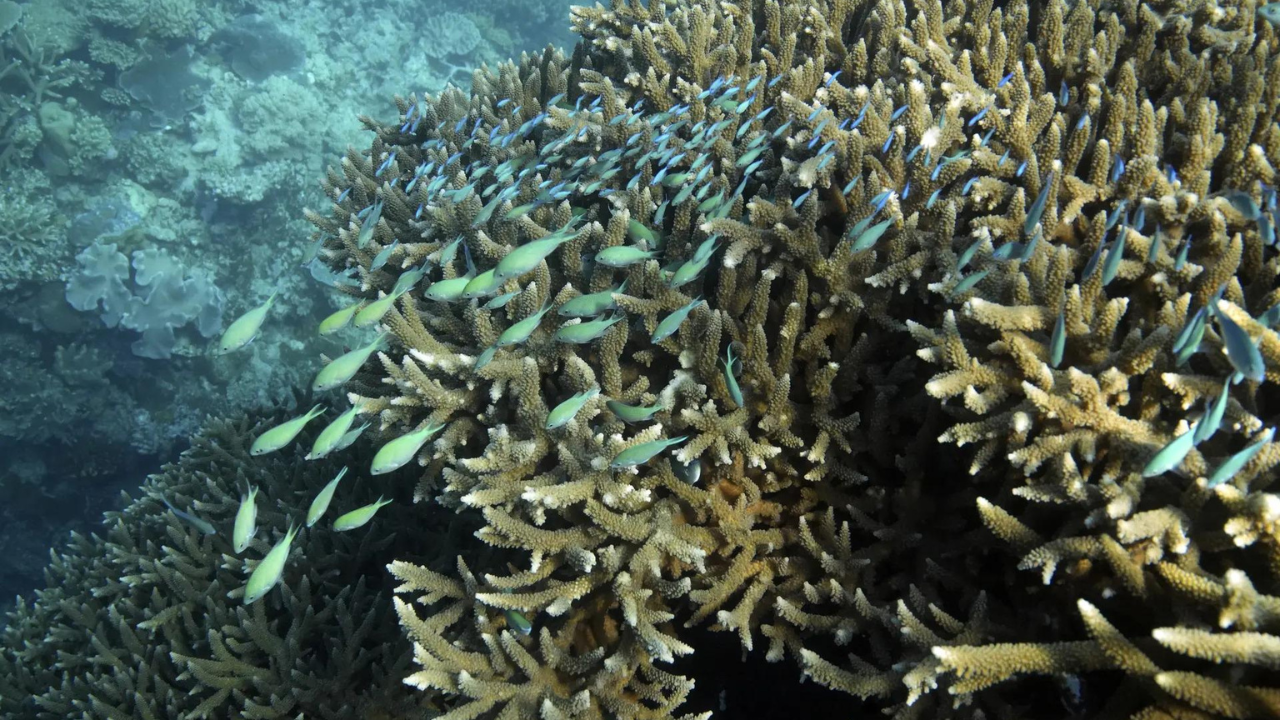
The Great Barrier Reef, the world’s largest coral reef ecosystem, has been facing a crisis as ocean temperatures hit their highest level in 400 years over the past decade. Researchers have warned that if planetary warming continues at its current rate, the reef may not survive.
During the years between 2016 and 2024, the Great Barrier Reef suffered multiple coral bleaching events due to elevated water temperatures. Coral bleaching occurs when water temperatures become too high, causing corals to expel the algae that provide them with color and nutrients, leading to their eventual death. Aerial surveys conducted earlier this year revealed bleaching across two-thirds of the reef, highlighting the severity of the situation.
A recent study published in the journal Nature by researchers from Melbourne University and other Australian universities used coral skeleton samples from the Coral Sea to analyze sea surface temperature data from 1618 to 1995. They found that temperatures remained relatively stable before 1900 but began to increase steadily from 1960 onwards. The past decade saw significant warming, with 2016, 2017, 2020, 2022, and 2024 experiencing the highest temperatures on record, dating back to 1618.
Lead author Benjamin Henley, a lecturer at the University of Melbourne, expressed grave concerns about the future of the reef, stating that current trends could lead to its demise. The study’s findings point to the urgent need to address human-caused climate change to protect this natural wonder.
Coral reefs play a vital role in seafood production and tourism worldwide. With global temperatures on the rise, experts predict that 70% to 90% of coral reefs worldwide could be at risk, resulting in a loss of biodiversity and ecosystem services.
Michael McPhaden, a senior climate scientist, emphasized the significance of the Great Barrier Reef as an indicator of climate change’s impacts. As coral species struggle to adapt to rising temperatures, there is a real concern about the potential loss of species diversity and reef coverage.
The time to act is now to preserve the Great Barrier Reef and other coral ecosystems around the world. By addressing climate change and reducing greenhouse gas emissions, we can protect these invaluable natural resources for future generations to enjoy.


