


The Future of Sri Lanka Hangs in the Balance: Presidential Elections Set for September 21
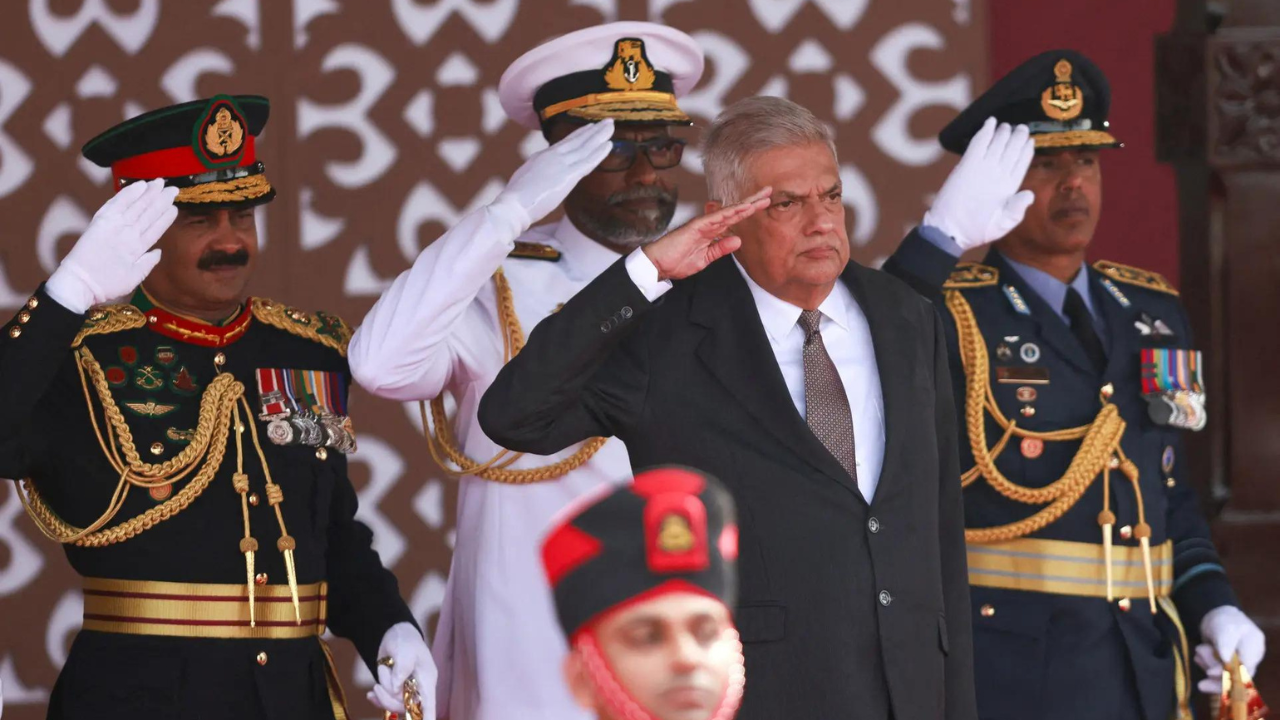
Sri Lanka is gearing up for a crucial presidential election on September 21, as announced in a government notice released on Friday. This vote is expected to play a pivotal role in shaping the future of reforms in the island nation, which is currently grappling with its worst financial crisis in decades.
Candidates have until August 15 to submit their nominations for the election. Current President Ranil Wickremesinghe is widely expected to run for re-election, with nearly 17 million of the country’s 22 million citizens eligible to vote.
Wickremesinghe, 75, took office in July 2022 following major protests against the financial crisis that forced his predecessor, Gotabaya Rajapaksa, to flee the country and resign. He was elected by Parliament to serve out the remainder of Rajapaksa’s five-year term, originally won in November 2019.
Under Wickremesinghe’s leadership, Sri Lanka has started to rebound, aided by a $2.9 billion bailout from the International Monetary Fund (IMF). Economic indicators have shown improvement, with inflation dropping from 70% in September 2022 to 1.7% in June. The country’s currency has strengthened, and foreign exchange reserves are being replenished. After experiencing a 7.3% contraction at the height of the crisis and a further 2.3% decline last year, the economy is forecasted to grow by 3% in 2024.
Recent agreements with bilateral creditors, including Japan, China, and India, have led to a $10 billion debt restructuring deal. This arrangement grants Colombo a four-year grace period on repayments, saving the country $5 billion.
However, Sri Lanka still needs to finalize an initial agreement with bondholders to restructure $12.5 billion in debt before an upcoming IMF review later this year. Despite the progress made, higher taxes under the IMF program, ongoing inflation, and a stagnant job market have pushed a quarter of the population into poverty and driven thousands to seek opportunities abroad.
Opposition figures Sajith Premadasa and Anura Kumara Dissanayake are expected to challenge Wickremesinghe in the presidential race. Both candidates have outlined plans to modify the IMF program to ease the cost of living and enhance the country’s debt repayment strategy.
As one analyst noted, “Dissanayake and Premadasa have publicly expressed their intention to reform the IMF program.”
Experts caution that Sri Lanka’s recovery remains fragile. Any attempts to backtrack on reforms could potentially trigger another crisis. The next government will need to continue and complete these reforms to ensure sustainable economic growth and stability.
“The incoming government must guarantee that the reforms are continued and concluded to transform the economy and put it on a positive trajectory,” emphasized one expert.
The upcoming presidential election marks a crucial juncture for Sri Lanka, with significant ramifications for the country’s economic future.
https://timesofindia.indiatimes.com/world/south-asia/sri-lanka-sets-date-for-first-presidential-election-since-turmoil/articleshow/112029881.cms


